Natural Rubber Baby Toys: Complete Guide for Brands & Buyers

Our in‑house team consists of product engineers and baby‑goods compliance specialists with over 12 years of experience manufacturing and certifying natural rubber teething toys, bath toys and sensory infant products for wholesale distributors, private‑label brands and importers across North America, Europe, Australia and the UK. This buying guide draws from real‑world factory‑floor experience, third‑party lab testing workflows and thousands of B2B client sourcing projects.
Disclaimer: This guide serves as general educational sourcing information for B2B brands, retailers and product buyers. It is not medical advice, nor a replacement for official regulatory testing and independent third‑party product certification. All imported baby toy products remain the legal responsibility of the importing brand to meet local safety standards.
Quick Navigation
- What Are Natural Rubber Baby Toys?
- Why Natural Rubber Is Used in Baby Toys
- Natural Rubber vs Plastic Baby Toys
- Natural Rubber vs Silicone Baby Toys
- Core Benefits of Natural Rubber Baby Toys
- Safety Considerations for Natural Rubber Toys
- Sustainability Considerations for Eco‑Friendly Rubber Toy Lines
- How Brands Can Source Natural Rubber Toys
- What to Ask a Natural Rubber Toy Manufacturer
- Final Takeaways for B2B Buyers
- Frequently Asked Questions
What Are Natural Rubber Baby Toys?
Natural rubber baby toys are infant‑grade play products manufactured primarily from plant‑sourced latex sap harvested from the Hevea brasiliensis rubber tree. Unlike synthetic rubber blends or petroleum‑derived plastic materials, raw natural latex is collected by carefully tapping rubber‑tree bark, a process that does not harm or kill the host tree. The harvested sap then goes through purification, vulcanization, and food‑safe moulding to create soft, chew‑ready toy shapes designed for babies and toddlers aged 0‑18 months.
Common finished‑product categories include natural rubber teething toys, bath toys, sensory grip balls, animal‑shaped graspers, and one‑piece pacifiers. From a manufacturing safety perspective, reputable factories prefer solid, single‑piece moulded constructions. This design choice eliminates hollow water‑trapping cavities, which are a well‑known risk factor for hidden mould growth inside infant toys.
At Natural Baby World, our full product portfolio covers exactly these high‑demand, parent‑preferred formats. Visit our Natural Rubber Baby Toys Product Categories to explore teethers, bath toys, sensory rubber toys and pacifier ranges built for retail stock‑orders and private‑label OEM projects.
It is critical for B2B buyers to understand: not every item labelled “rubber toys” contains genuine natural rubber. Many low‑cost imported goods use synthetic rubber, recycled fillers, or blended materials marketed under misleading eco‑friendly descriptions. Verified documentation of raw‑material origin is non‑negotiable before placing large‑volume orders. When produced to strict infant‑safety specifications, authentic natural rubber toys can be manufactured free of BPA, PVC and phthalates — one of the top consumer requirements driving growth for eco‑friendly rubber toy rubber product lines worldwide.
For end‑user parents, search queries such as eco friendly rubber toy rubber and natural rubber teething toys reflect fast‑rising consumer demand for plant‑based infant goods. For importers, distributors and baby‑product brands, understanding this material category is essential to building competitive, market‑ready product assortments that meet modern safety‑and‑sustainability buyer expectations.
Why Natural Rubber Is Used in Baby Toys
Over the past decade, global consumer demand for non‑toxic, plant‑derived baby goods has surged, pushing natural rubber to become one of the fastest‑growing material choices within the infant toy market. Based on our 12+ years of manufacturing experience, there are multiple practical, commercial and consumer‑driven reasons why brands and manufacturers turn to natural rubber for baby toys.
First, babies spend large portions of their awake time mouthing toys. Teething infants chew, gnaw and suck every object within their reach, so material safety directly translates to real‑world consumer priorities. Natural rubber delivers soft, yielding resistance that massages sore gums without sharp hard edges. This unique warm, springy tactile advantage cannot be fully replicated by rigid plastic or even some grades of food‑grade silicone.
Second, natural rubber brings strong eco‑marketing appeal. Independent retail surveys across Europe, North America and Oceania consistently confirm that sustainability‑minded parents will often pay premium price points for toys made from renewable, biodegradable materials, rather than petroleum‑based plastic goods that persist hundreds of years in landfill environments.
Third, manufacturing flexibility makes natural rubber suitable for diverse shapes. Compression‑moulding technology allows factories to produce intricate animal characters, textured teething ridges, easy‑grip ring structures and durable bath‑toy forms. Experienced rubber‑toy manufacturers can deliver both standard catalogue items and fully customised OEM designs for brand‑specific collections.
Fourth, natural rubber teething toys hold a proven, decades‑long market track‑record. Iconic natural rubber infant products have occupied baby‑store shelves for generations. For retailers and e‑commerce sellers, stocking natural rubber toys means offering product lines with existing consumer recognition and strong repeat‑purchase potential.
B2B buyers should note that consumer search behaviour continues to reinforce this trend. Searches for rubber toys, eco friendly rubber toy rubber and natural rubber teething toys keep rising year‑over‑year as sustainability‑minded audiences expand. If you are building inventory for retail or e‑commerce channels, you can review bulk‑order options via our Wholesale Natural Rubber Baby Toys page.
Natural Rubber vs Plastic Baby Toys
Plastic toys remain widespread in the baby‑product space, but natural rubber presents meaningful differences for brands, retailers and end‑consumers. Below is a practical comparison built from our compliance‑testing and sourcing experience for B2B decision‑making.
| Factor | Natural Rubber Baby Toys | Conventional Plastic Baby Toys |
|---|---|---|
| Raw Material | Renewable plant latex from rubber trees | Non‑renewable petroleum feedstock |
| Chemical Risk Profile | Pure grades: BPA‑free, phthalate‑free, PVC‑free. Risk limited to latex allergy | Even “BPA‑free” plastic may contain plasticisers, stabilisers or synthetic dyes that can leach under warm, saliva‑rich conditions |
| Texture & Mouth‑Feel | Soft, warm, flexible; gentle for teething gums | Mostly hard; soft plastic variants can turn sticky or degrade with heavy chewing |
| End‑of‑Life | Biodegradable under correct industrial compost conditions | Persists in landfill for hundreds of years |
| Mould Risk | Low for solid one‑piece moulds | Hollow plastic bath toys frequently trap water and develop internal mould |
| Price Point | Mid‑range wholesale cost | Can be ultra‑low cost for mass‑market plastic goods |
For buyers, the key business takeaway: plastic toys can hit very low unit prices, but they face growing consumer push‑back. Many modern specialty baby retailers actively de‑list cheap plastic infant goods to satisfy customer demand for safer, more sustainable alternatives. Natural rubber products fill this high‑margin market gap.
A critical caveat from our quality‑control team: not all natural rubber output is equal. Low‑grade rubber can contain unwanted processing additives. This is why third‑party safety testing against ASTM F963, EN 71 and REACH standards is non‑negotiable for every batch destined for Western consumer markets.
Natural Rubber vs Silicone Baby Toys
Food‑grade silicone is another major competitor within the premium non‑toxic baby‑toy segment. Many first‑time B2B buyers struggle to decide between natural rubber and silicone for their product lines. Each material carries distinct strengths and trade‑offs that we regularly walk our OEM clients through during product‑development consultations.
Natural rubber is plant‑based and biodegradable, while silicone is a synthetic polymer derived from silica and petroleum by‑products and is not biodegradable. Natural rubber delivers a warmer, more organic tactile feel that many parents prefer for teething babies. Silicone is extremely resistant to repeated high‑heat sterilisation such as boiling, which natural rubber cannot withstand long‑term without material degradation.
Latex allergy risk is the main downside of natural rubber; approximately 1‑6% of the population shows latex sensitivity, so brands must provide clear warning labelling on product packaging. Silicone has no latex‑allergy risk.
Cost‑wise, natural rubber generally offers lower wholesale unit pricing than high‑grade food‑safe silicone, which makes it attractive for brands building mid‑premium product ranges with healthy profit margins.
For product assortment strategy: many successful baby brands carry both natural rubber and silicone SKUs, allowing them to serve allergy‑free eco‑focused shoppers and latex‑sensitive households simultaneously. When planning custom private‑label projects, discuss material options with our team on the OEM & ODM Baby Toy Manufacturing page.
Core Benefits of Natural Rubber Baby Toys
1. Infant‑Friendly Physical Properties
High‑quality natural rubber yields gentle resistance when chewed. Textured bumps and ridges massage inflamed teething gums. Flexible but tear‑resistant construction stands up to months of baby mouthing. Lightweight forms are easy for tiny hands to grasp and manipulate, supporting fine‑motor‑skill development.
2. Non‑Toxic Composition (when properly manufactured)
Responsibly produced natural rubber baby toys exclude BPA, phthalates, PVC and heavy‑metal pigments. Colours come from natural mineral‑based dyes rather than harsh synthetic colourants. This is a core selling feature for marketing copy, product listings and packaging for e‑commerce and brick‑and‑mortar retail.
3. Renewable & Biodegradable
The rubber‑tree tapping process does not destroy trees, which can remain productive for decades. Once a toy reaches end‑of‑life, genuine natural rubber will biodegrade under compost conditions, unlike plastic or silicone alternatives. This sustainability story is highly shareable for brand social‑media content and product‑page marketing.
4. Versatile Product Form Factor
Manufacturers can produce teethers, bath toys, sensory spiky balls, animal figurines, grasp rings and natural rubber pacifiers. The material supports both simple catalogue‑style designs and highly stylised custom OEM character toys.
5. Strong Retail & E‑Commerce Market Fit
Search‑volume data confirms ongoing consumer interest for rubber toys, eco friendly rubber toy rubber and natural rubber teething toys. Well‑positioned natural rubber SKUs perform well on marketplaces, independent DTC websites and specialty baby‑goods stores.
Even with these advantages, brands must communicate limitations honestly in consumer marketing: latex‑allergy warnings, cleaning guidance and sterilisation restrictions should always appear on packaging and online product descriptions.
Safety Considerations for Natural Rubber Toys
From our experience working with hundreds of importers, product safety is the single‑highest priority for B2B buyers. Non‑compliant products trigger regulatory recalls, CPC / CE certification rejection and long‑term reputational damage for your brand.
Latex allergy risk
Natural rubber contains natural latex proteins. While severe reactions in babies are uncommon, brands must print clear allergen warnings on packaging and product listings. Some buyers request low‑protein natural rubber grades to minimise risk, and this specification should be shared with your manufacturer during the RFQ process.
Critical third‑party testing requirements
Goods sold into North America must comply with ASTM F963 and CPSC CPC requirements. European‑market inventory must pass EN71‑1‑2‑3 plus REACH compliance checks. Reputable manufacturers will provide full lab test reports for each production batch. Never rely purely on marketing claims such as “non‑toxic” or “eco‑friendly rubber toy rubber” without supporting, independent lab documentation.
Design safety rules
- Prefer solid, one‑piece‑moulded toys wherever possible. Hollow toys with openings risk trapped moisture and mould growth.
- Eliminate small detachable parts that create choking‑hazard risks, aligned with international toy safety standards.
- Avoid overly sharp texture points; all ridges and bumps must be rounded for infant mouths and skin.
Care instructions for end consumers
Natural rubber cannot tolerate repeated boiling or steam high‑temperature sterilisation. Recommended cleaning is warm soapy water and air‑drying. Brands should print these care instructions on packaging and product inserts to reduce consumer misuse and premature product failure.
You can read more about our multi‑stage product verification workflow on our Factory & Quality Control Overview.
Sustainability Considerations for Eco‑Friendly Rubber Toy Lines
Sustainability is no longer a niche marketing add‑on; it is a core buying criterion for large segments of baby‑product consumers. However, “eco‑friendly” is an unregulated marketing term. B2B buyers need to dig deeper than surface‑level buzzwords to avoid greenwashing risks that could harm your brand reputation.
Sustainable natural rubber toy production depends on responsible raw‑material tapping practices, limited harmful processing chemicals, low‑waste factory workflows and plastic‑reduced packaging. Certifications such as GOLS (Global Organic Latex Standard) verify organic latex supply‑chain standards, though certified goods carry higher wholesale costs.
Key questions for your manufacturer:
- What is the origin of your raw natural rubber latex?
- What processing agents are used during vulcanisation? Can you provide full material composition declarations?
- What packaging options are available: recycled cardboard, plastic‑free packaging for retail boxes?
- What factory‑level waste‑reduction practices are in place?
Buyers should avoid greenwashing. If you will advertise products as “eco‑friendly rubber toy rubber”, you must hold supporting documentation from your supplier to back up every sustainability claim.
Keep in mind that even biodegradable natural rubber will not break down in ordinary household landfill; it requires industrial compost‑environment conditions. Accurate consumer education on end‑of‑life expectations is recommended for your product copy.
How Brands Can Source Natural Rubber Toys
Sourcing natural rubber baby toys falls into two primary paths: wholesale stock‑ready catalogue goods, or custom OEM / ODM private‑label manufacturing. Based on our years working with new‑start and established baby brands, each route carries distinct advantages depending on your business goals, budget and timeline.
Option 1: Wholesale stock‑model buying
Wholesale purchasing is ideal for new brands, retailers and e‑commerce sellers who want fast lead‑times without heavy upfront mould‑tooling investment. You select existing proven designs from the manufacturer catalogue, place bulk orders, and resell under your retail store or marketplace identity.
This approach lowers risk, shortens lead times and lets you test market response for natural‑rubber‑toy categories before launching custom‑developed SKUs. Browse available stock‑ready ranges via our Wholesale Natural Rubber Baby Toys.
Option 2: OEM / ODM private‑label development
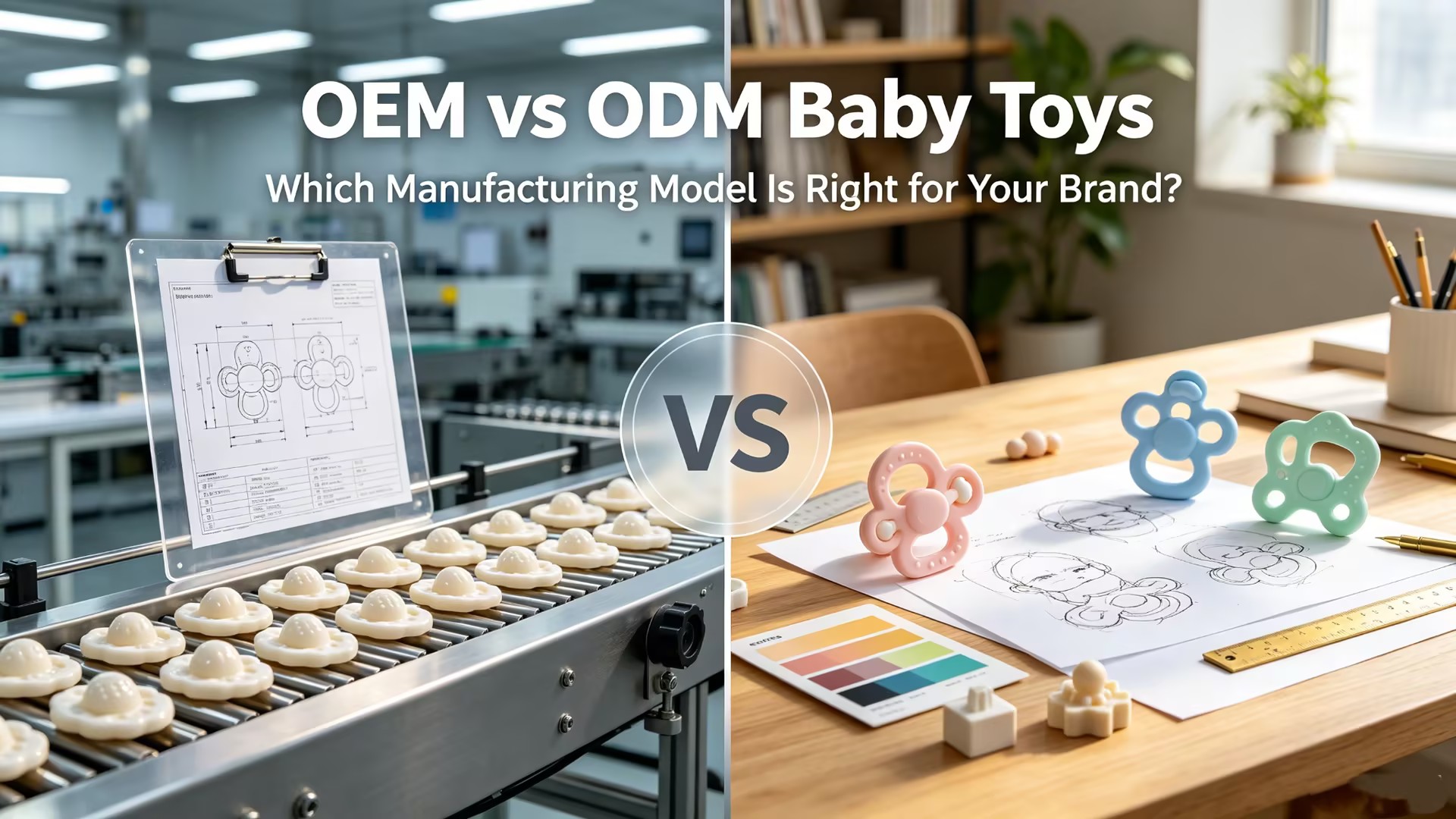
OEM means you provide your sketches, CAD files or design concepts, and the factory builds custom moulds to your exact specifications. ODM means you select existing factory‑developed designs, then add custom branding such as embossed logo, custom colours and custom packaging.
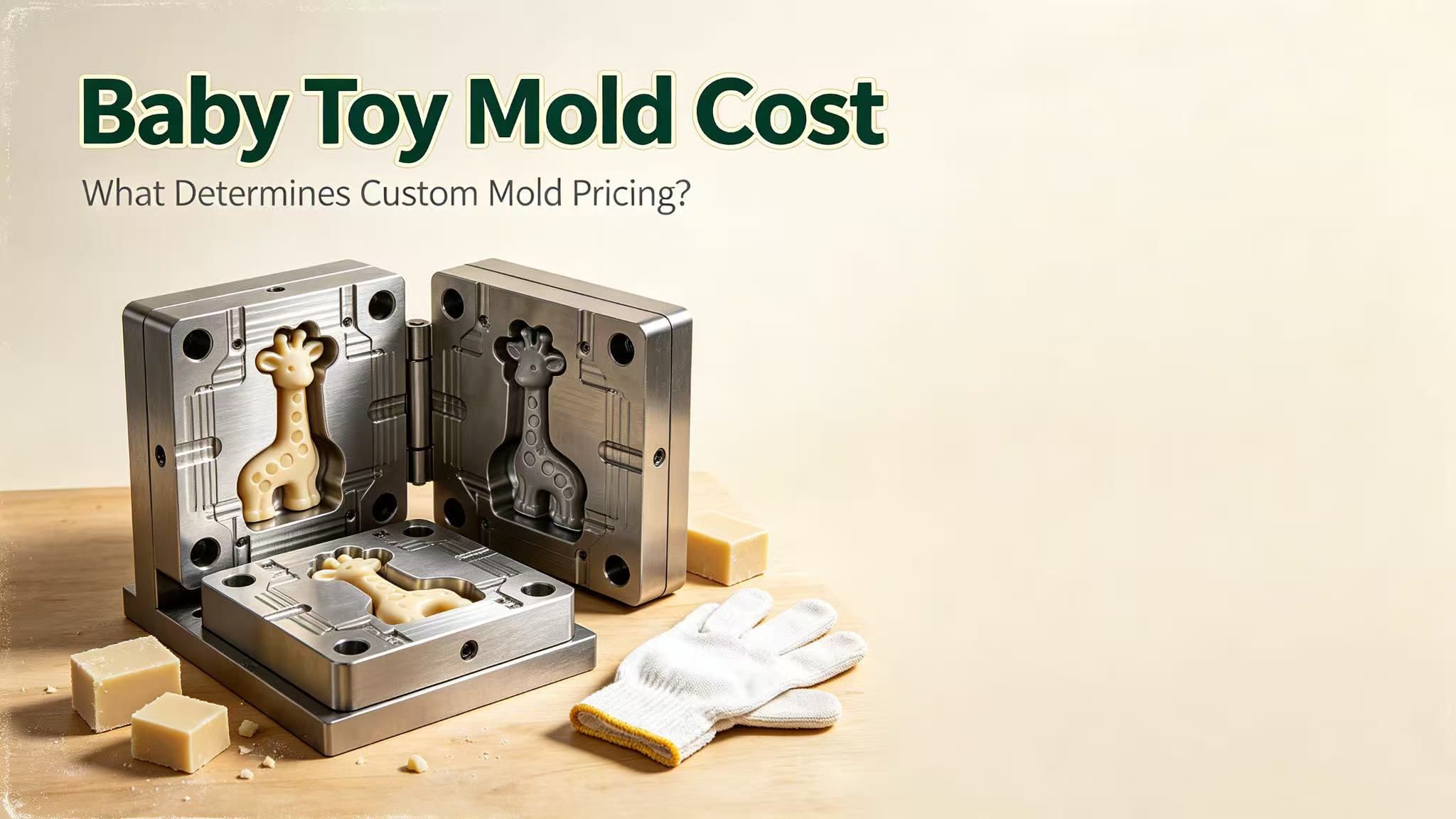
Custom OEM/ODM is suited for established brands wanting unique product differentiation, exclusive shapes and brand‑specific visual identity. Tooling (mould creation) generates upfront costs, and minimum‑order quantities are higher than stock wholesale orders.
If you are exploring private‑label natural rubber teething toys, bath toys or sensory rubber toys, review our custom capabilities on OEM & ODM Baby Toy Manufacturing.
Sourcing workflow best practice for B2B buyers
- Define your target market: EU / US / other regions, which sets mandatory compliance‑testing requirements.
- Clarify your target price range, order volume and MOQ tolerance.
- Request product samples for material quality, texture and size validation before bulk commitment.
- Request all relevant safety‑test documentation upfront.
- Confirm packaging specifications, including allergen warnings, care labels and branding requirements.
- Lock in lead‑time projections for sampling and mass‑production.
What to Ask a Natural Rubber Toy Manufacturer
Many B2B buyers underestimate the importance of detailed pre‑order supplier due diligence. Below is a practical checklist of critical questions you should pose to any potential natural rubber toy manufacturer. You can send these points within your RFQ to streamline communication.
- Material specification
What grade of natural rubber is used? Can you supply full material composition declarations? Are low‑latex‑protein grades available? - Certifications & compliance testing
Which safety standards can you consistently meet (ASTM F963, EN71, REACH etc.)? Can you provide third‑party lab reports per production batch? - OEM / ODM capabilities
Can you handle custom mould development? What are tooling costs, sample lead‑times and bulk‑production lead‑times? What is your minimum‑order quantity for custom projects? Can you implement embossed or debossed brand logos on rubber toy surfaces? - Quality‑control workflows
What QC checkpoints exist: raw‑material inspection, in‑production checks, final batch inspection? Review our own process overview on Factory & Quality Control Overview. - Packaging customisation
Can you produce custom retail boxes, insert cards and warning‑label printing? Are plastic‑free packaging options available for eco‑branded lines? - Logistics support
What shipping terms can you support? Can you prepare goods for Amazon FBA or other fulfilment requirements? - Intellectual‑property protection
Will you sign NDAs for custom OEM designs? Do you guarantee your custom‑mould products will not be resold to competing brands?
Once you have clarified your requirements, you can submit your project details through Get Custom Quote for Baby Rubber Toys.
Final Takeaways for B2B Buyers
Consumer demand for rubber toys, eco friendly rubber toy rubber and natural rubber teething toys continues to grow across global baby‑product markets. Natural rubber delivers a compelling value proposition: safe, plant‑derived, tactile toys that resonate with sustainability‑focused modern parents.
For brands and distributors, success in this category depends on three pillars:
- Deep understanding of material strengths and limitations (including latex‑allergy risks and cleaning constraints).
- Rigorous verification of safety testing and compliance documentation.
- Selecting the right sourcing model: wholesale stock‑ready goods for fast‑market entry, or OEM/ODM private‑label for differentiated exclusive product lines.
Whether you are expanding your existing baby‑toy assortment or launching a new eco‑focused brand, Natural Baby World supports buyers across the full journey: browse product ranges at Natural Rubber Baby Toys Product Categories, explore bulk‑order options at Wholesale Natural Rubber Baby Toys, learn about custom‑build options at OEM & ODM Baby Toy Manufacturing, review our quality‑control systems at Factory & Quality Control Overview, and submit your project brief via Get Custom Quote for Baby Rubber Toys.
Ready To Source Natural Rubber Baby Toys?
Contact our compliance‑trained sourcing team today to discuss wholesale stock orders or custom OEM‑ODM development.
Request A Free QuoteFrequently Asked Questions
Q: Are all natural rubber toys 100% biodegradable?
A: Pure natural rubber will biodegrade in industrial compost conditions, but not in regular landfill. Fillers or added synthetic additives will alter biodegradability performance. Always confirm material composition with your manufacturer.
Q: Can natural rubber baby toys be boiled for sterilisation?
A: Repeated boiling damages natural rubber. Recommended cleaning is warm soapy water and air‑dry. Communicate this requirement to consumers via packaging inserts.
Q: What MOQ should I expect for OEM natural rubber teething toys?
A: Stock wholesale orders carry lower MOQs. Custom OEM mould projects typically require higher minimum production runs; exact numbers depend on design complexity, discuss details when you Get Custom Quote for Baby Rubber Toys.
Q: Is natural rubber better than silicone for baby toys?
A: Neither material is universally “better”. Natural rubber offers plant‑based sustainability and unique teething texture, while silicone has zero latex‑allergy risk and better heat‑sterilisation resistance. Many brands successfully sell both material categories side‑by‑side.
Why Natural Rubber Is Becoming Popular in Baby Toys
Natural Latex Toy After-Sales Service: Warranty, Usage Guidance & Customer Support Standardization